
Artikel zu AI Search

Search Routes Out. LLMs Keep You In. Why AI Visibility Needs New ROI Math
AI referrals as a percentage of traffic are the wrong metric. Search was built to route out; LLMs were built to keep users in. The new measurement is being the source the answer is built from.

LLM Guidance Doesn't Port the Way SEO Guidance Did: A Per-Platform Strategy
SEO guidance ported across engines because Google, Bing, and Yahoo built shared standards. LLMs share almost nothing. Why per-platform tracking is now the discipline, and how Aurora structures it.

Vector Alignment Scores Are Not Truth: Reading the Number Without Falling for It
Vector alignment scoring is a real upgrade over keyword research — and a real trap if you read the number as ground truth. Why production retrieval signals matter more than offline embeddings, and how Aurora closes the gap.

Don't Measure Once: How to Reliably Measure AI Visibility
New research shows that measuring a brand's AI visibility requires simultaneous and longer-term repeated measurements — not one-time ranking snapshots. Here are the key findings and what they mean for marketers.

AI Search and Brand Protection: Monitoring Misinformation
AI search engines can spread inaccurate information about your brand, from outdated pricing to fabricated claims. Learn how to monitor, detect, and correct AI-generated brand misinformation.
How AI Search Handles Controversial Topics and Brand Safety
Understand how AI search engines handle controversial topics and what this means for brand safety. Learn proactive strategies for monitoring, protecting, and managing your brand reputation in AI-powered search responses.
How AI Search Is Changing the B2C Customer Journey
AI search is fundamentally reshaping the B2C customer journey, compressing discovery, consideration, and decision into a single conversational interaction. Learn how to adapt your brand strategy.

AI Search and Sustainability: How Green Brands Get Recommended
Learn how sustainability-focused brands can earn AI search recommendations through verifiable data, independent certifications, transparent reporting, and supply chain storytelling while avoiding greenwashing detection.
The Role of Reddit in AI Search Citations
Reddit threads are among the most frequently cited sources in AI-generated search results. Learn why AI models favor Reddit content and how brands can build an effective Reddit strategy for AI visibility.

Domain Authority vs AI Visibility: Why Traditional Metrics Fall Short
Domain Authority has been the go-to SEO metric for years, but it fails to predict AI search visibility. Discover the new metrics that actually determine whether AI engines cite your content.
AI Search and Brand Consistency: Ensuring Accurate Information
Learn how to ensure AI search engines present accurate, consistent information about your brand. Covers NAP consistency, brand information audits, update protocols, and strategies for managing brand transitions in the age of AI-powered search.

AI Search and Affiliate Marketing: New Opportunities
AI search is reshaping affiliate marketing. Learn how the shift from traditional search to AI-powered recommendations creates both challenges and new opportunities for affiliate marketers.

GEO-Plattformen im Vergleich: Welches AI-Visibility-Tool passt zu eurer Agentur?
Eure Kunden fragen nach AI Search. So schneiden die führenden GEO-Plattformen im Vergleich ab — und worauf es bei der Verwaltung mehrerer Brands wirklich ankommt.
The Agency's Guide to GEO Platforms: Which AI Visibility Tool Fits Your Client Work?
Your clients are asking about AI search. Here's how the leading GEO platforms compare — and what matters most when you're managing multiple brands.

Why Perplexity AI Is Reshaping How Consumers Discover Brands
Perplexity AI's citation-based search model is creating a new brand discovery channel. Learn how Perplexity selects sources, why it matters for marketers, and how to optimize your brand's presence.

AI Search Trends to Watch in 2026
From multi-engine visibility to transactional AI search and personalized results, these are the most important AI search trends shaping marketing strategy in 2026.

How Travel and Hospitality Brands Win in AI Search
A comprehensive strategy for travel and hospitality brands to build AI search visibility — from destination authority content and traveler segmentation to review management and seasonal optimization.
The Evolution of Search: From Keywords to Conversations
Trace the evolution of search technology from web directories to AI-powered conversations, and understand why each shift created winners among early adopters.
How to Track Brand Mentions Across AI Search Engines
A practical guide to monitoring your brand's presence across ChatGPT, Perplexity, Gemini, and Google AI Overviews. Learn what to track, how to build a monitoring framework, and how to turn insights into action.
How AI Search Is Disrupting Traditional Advertising
AI-powered search engines are fundamentally reshaping digital advertising. Paid search, display ads, and brand marketing face unprecedented disruption as consumers get answers directly from AI — without clicking through to websites.

Brand Sentiment in AI Search: How LLMs Perceive Your Brand
AI models form opinions about your brand based on training data, web sources, and association patterns. Learn how to measure and improve your brand sentiment in AI-powered search.
What is Generative Engine Optimization (GEO)? A Complete Guide
Learn what Generative Engine Optimization (GEO) is, why it matters for your brand, and how to optimize your content for AI search engines like ChatGPT, Perplexity, and Gemini.
The Future of Local Search in an AI-First World
AI search is transforming local discovery from list-based results to personalized recommendations. Learn how local businesses must adapt their strategies for an AI-first world.
The Psychology Behind AI-Recommended Brands
Explore the psychological mechanisms that make AI-recommended brands so influential — from authority transfer and reduced choice paradox to negativity bias and mere exposure effects.
How AI Search Engines Choose What to Recommend
Understand how AI search engines like ChatGPT, Perplexity, and Gemini decide which brands to recommend. Learn about parametric knowledge, RAG, and the key factors that influence AI citations.

How Gemini AI Search Differs from ChatGPT and Perplexity
A detailed comparison of how Google Gemini, ChatGPT, and Perplexity differ in citation behavior, source preferences, and response styles — and what it means for your GEO strategy.
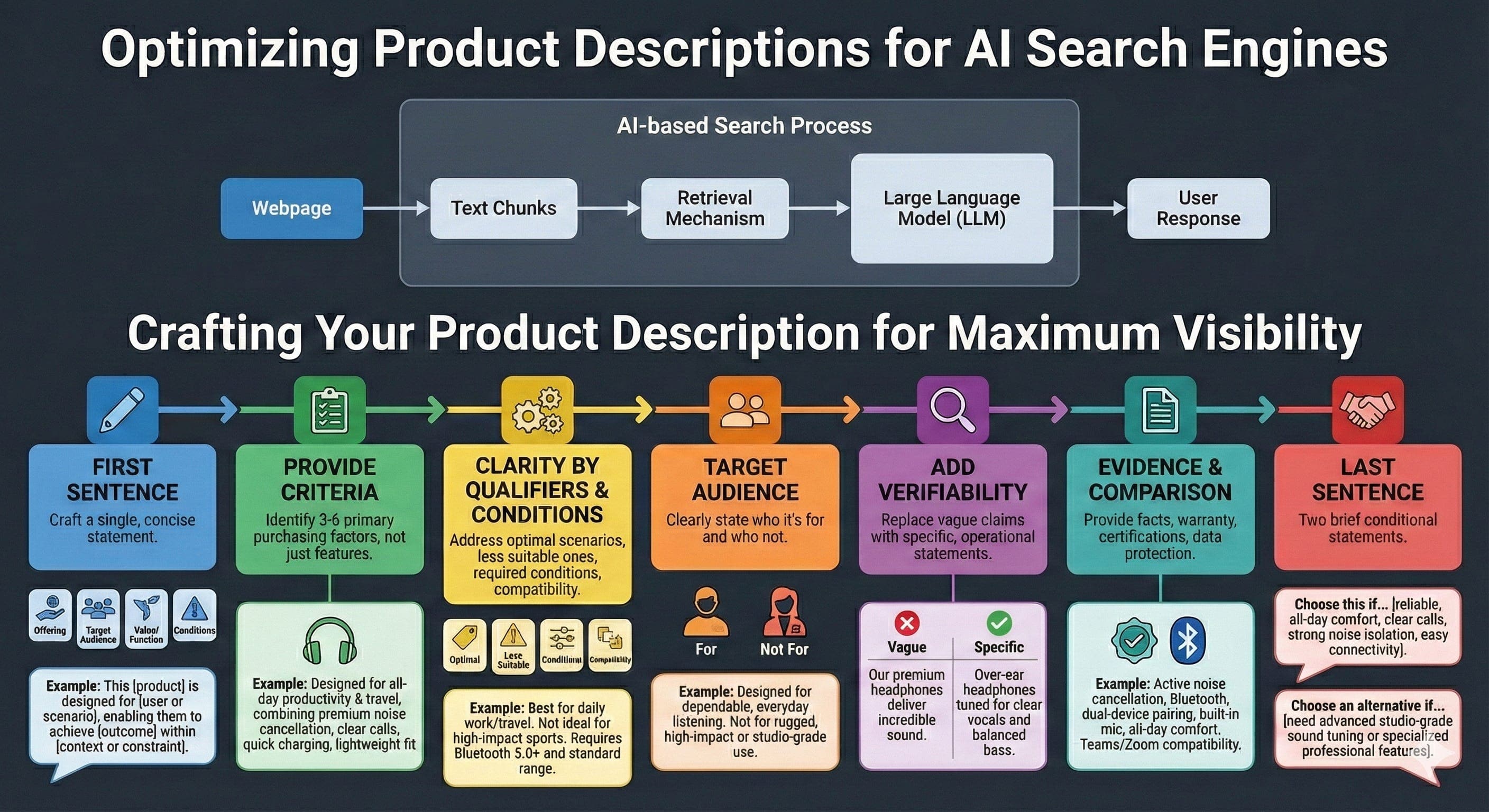
How to Optimize Your Product Description for ChatGPT, Perplexity etc.
Advice to write your webpage texts to get picked up by AI-based search engines like ChatGPT and Perplexity.
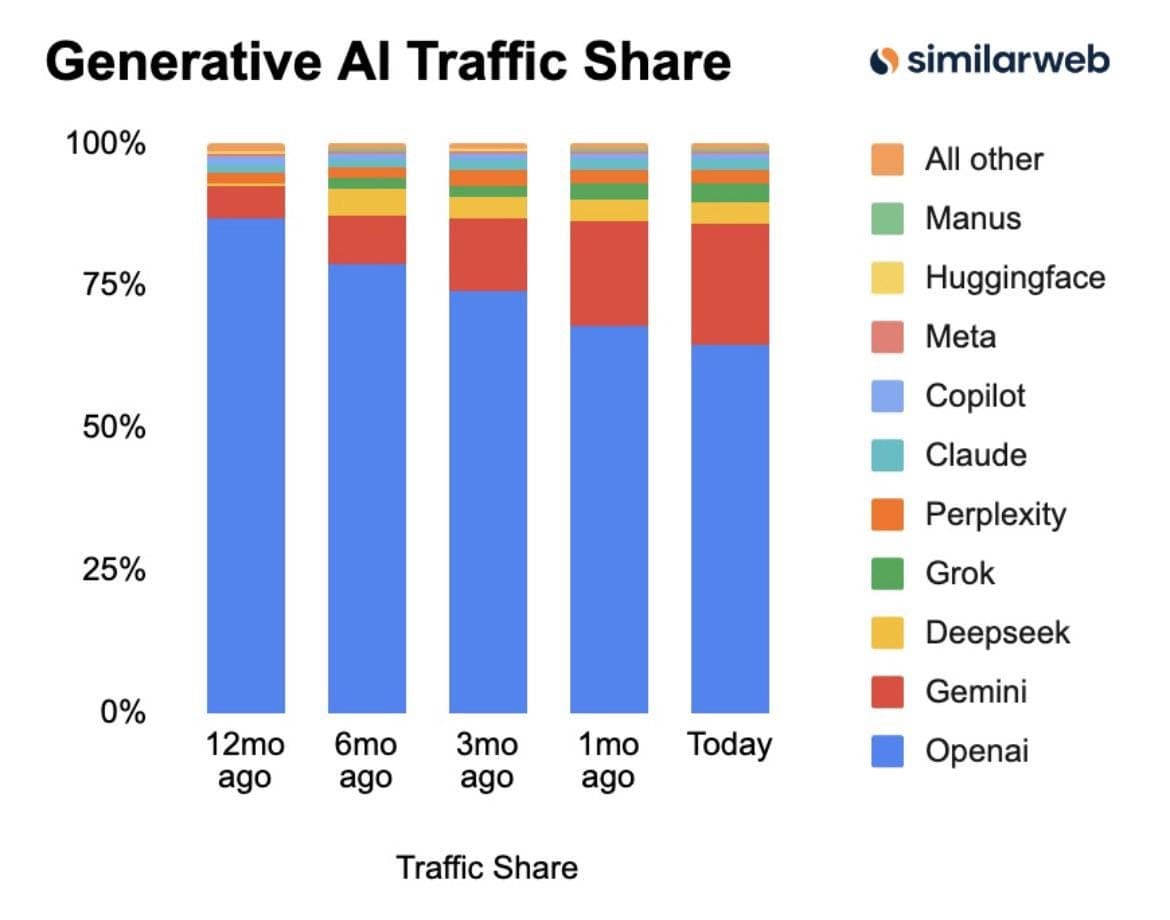
GEO, SEO - The Why and the What
Differences and commonalities between GEO and SEO - why Generative Engine Optimization matters for your brand.
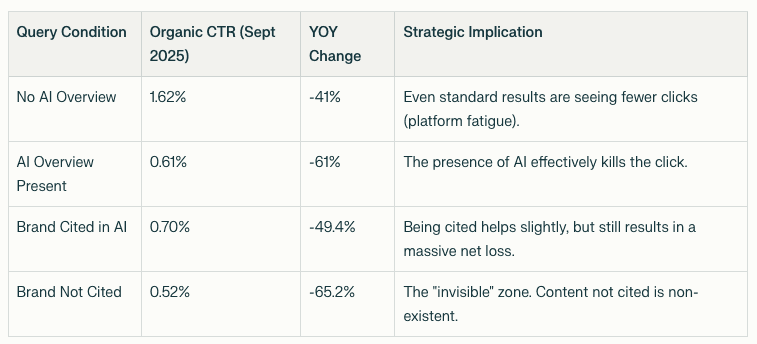
AI-based Search Engines: The Change of User Behaviour
The End of the Referral Economy - how AI search is transforming user behaviour with 60% zero-click searches and a 61% drop in organic CTR.
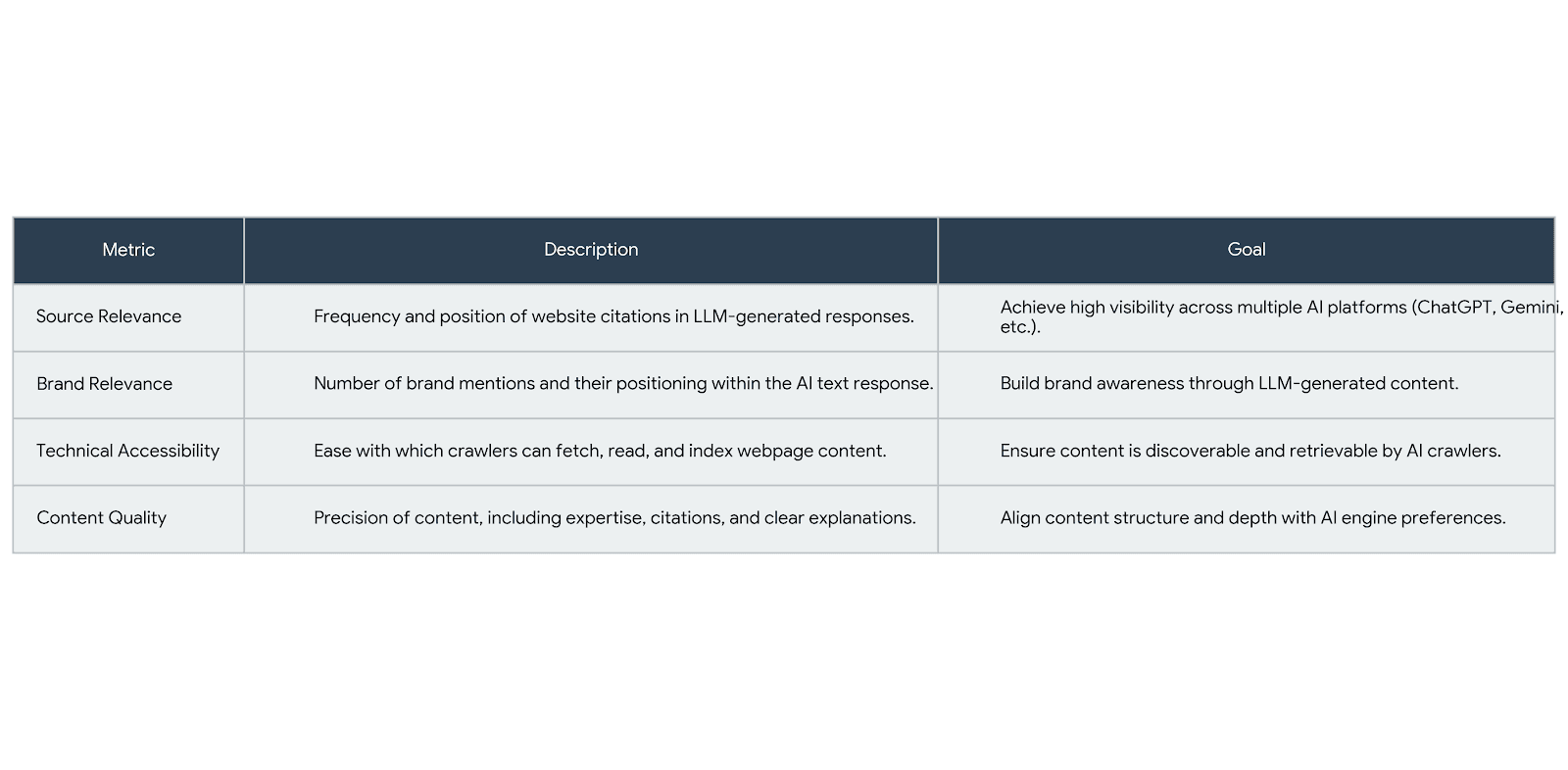
The New Metrics of AI-based Search
What to measure when AI does your search - new performance metrics for AI-driven search environments.
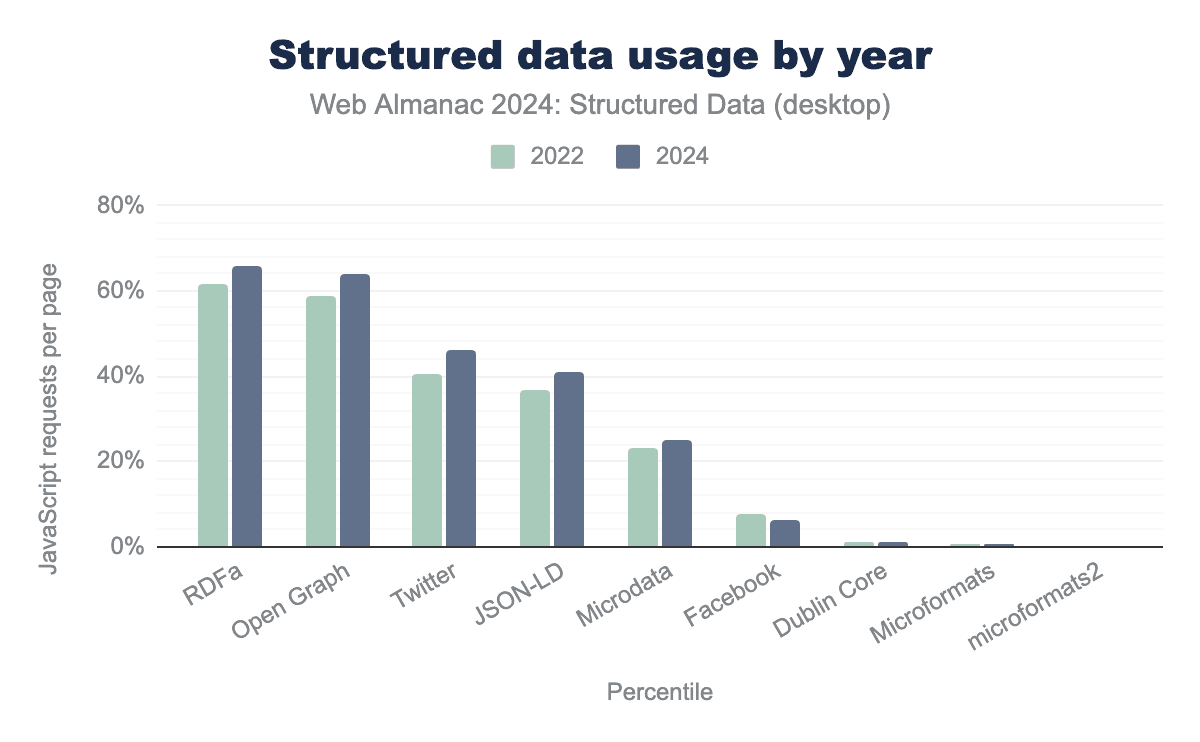
Skyrocketing Your Site's AI Visibility: Easy Wins with Structured Data
Structured data is the GPS for AI search engines. Learn how to implement JSON-LD, Open Graph, and schema markup to dramatically improve your brand's visibility in ChatGPT, Perplexity, and Gemini.