Why Weekly Reporting Matters for AI Visibility
In traditional SEO, monthly reporting is the standard cadence. Rankings shift gradually, backlink profiles build over time, and the competitive landscape evolves slowly enough that monthly check-ins capture the meaningful changes.
AI search visibility operates at a different tempo. AI models update their knowledge and behavior more frequently than traditional search algorithms. Competitor content can rapidly change AI recommendations. A single viral Reddit thread or a new publication can shift which brand an AI recommends for a given query. Weekly reporting isn't just a nice-to-have for GEO — it's a necessity.
This guide walks you through exactly what to track in your weekly AI visibility reports, how to structure them, and how to turn the data into actionable decisions.
The Core Metrics: What to Track Every Week
1. AI Citation Frequency
The most fundamental metric: how often does your brand appear in AI-generated responses for your target queries?
How to track it: Run your defined set of target queries through each AI platform (ChatGPT, Perplexity, Gemini, Claude) and record whether your brand is mentioned in the response. Calculate your citation rate as a percentage of queries where you appear.
What to watch for:
- Week-over-week changes in citation rate (is it trending up or down?)
- Differences across AI platforms (you might be visible on Perplexity but absent from ChatGPT)
- Queries where you recently lost or gained visibility
Target: Increase your citation frequency for high-priority queries by 5-10% per month. It's a gradual process, but consistent gains compound significantly.
2. Citation Position
Not all citations are equal. Being the first brand recommended carries far more weight than being mentioned fourth in a list of alternatives.
How to track it: For each query where you're cited, record your position:
- Primary recommendation (the main brand the AI suggests)
- Top 3 (mentioned among the first few recommendations)
- Also mentioned (included but not prominently featured)
- Cautionary mention (mentioned in a negative or cautionary context)
What to watch for: Movement between positions. A shift from "also mentioned" to "top 3" for a high-value query is a significant win, even if your overall citation count hasn't changed.
3. Sentiment Analysis
What does the AI say about you when it mentions your brand? The sentiment of AI-generated mentions directly impacts consumer perception and conversion.
Categories to track:
- Positive recommendation: "We recommend X because..."
- Neutral mention: "X is one option in this category..."
- Mixed: "X is strong in [area] but lacks [feature]..."
- Negative: "Users have reported issues with X regarding..."
What to watch for: Sentiment shifts, especially negative ones. If an AI model suddenly starts caveating its recommendation of your product, investigate the source content that might be driving this change.
4. Competitor Visibility
Your AI visibility exists in a competitive context. Track your top 3-5 competitors' citation frequency and position alongside your own.
How to structure it: Create a simple matrix:
| Query | Your Brand | Competitor A | Competitor B | Competitor C |
|---|---|---|---|---|
| "best X for Y" | Primary | Top 3 | Not cited | Also mentioned |
What to watch for: Competitors gaining ground on queries you previously dominated, or opportunities where competitors are weak and you can gain visibility.
5. Source Attribution
When AI models cite your brand, which of your content pieces are they drawing from? Understanding this helps you double down on what works.
How to track it: For AI platforms that show sources (Perplexity is especially transparent about this), record which URLs are cited. For platforms that don't show sources, track which of your content themes appear in the AI's response.
What to watch for: Content pieces that are frequently cited (your "AI magnets"), content that should be cited but isn't, and third-party sources that drive your brand mentions.
The Supporting Metrics: Track Monthly, Report on Anomalies Weekly
6. Content Freshness Score
How current is your most-cited content? Track the average age of your content that appears in AI citations. If your most-cited article is 18 months old, it's at risk of being displaced by fresher competitor content.
7. Query Universe Coverage
What percentage of your defined query universe results in at least one AI citation? Track this coverage metric and identify gaps — queries where you have zero AI visibility despite business relevance.
8. Platform-Specific Trends
Each AI platform has its own quirks and source preferences. Track platform-specific metrics to identify opportunities:
- Perplexity tends to cite recent, well-structured content
- ChatGPT leans on established, comprehensive sources
- Gemini may prefer structured data and schema-rich content
- Claude favors nuanced, balanced perspectives
9. Third-Party Mention Velocity
How quickly are new third-party mentions of your brand appearing? Track new reviews, media mentions, forum discussions, and other external content that could influence AI recommendations.
Structuring Your Weekly Report
Keep your weekly report concise and action-oriented. Here's a recommended structure:
Executive Summary (5 lines or fewer)
- Overall citation frequency this week vs. last week
- Biggest win (query where visibility improved most)
- Biggest concern (query where visibility dropped or competitor gained)
- One recommended action for the coming week
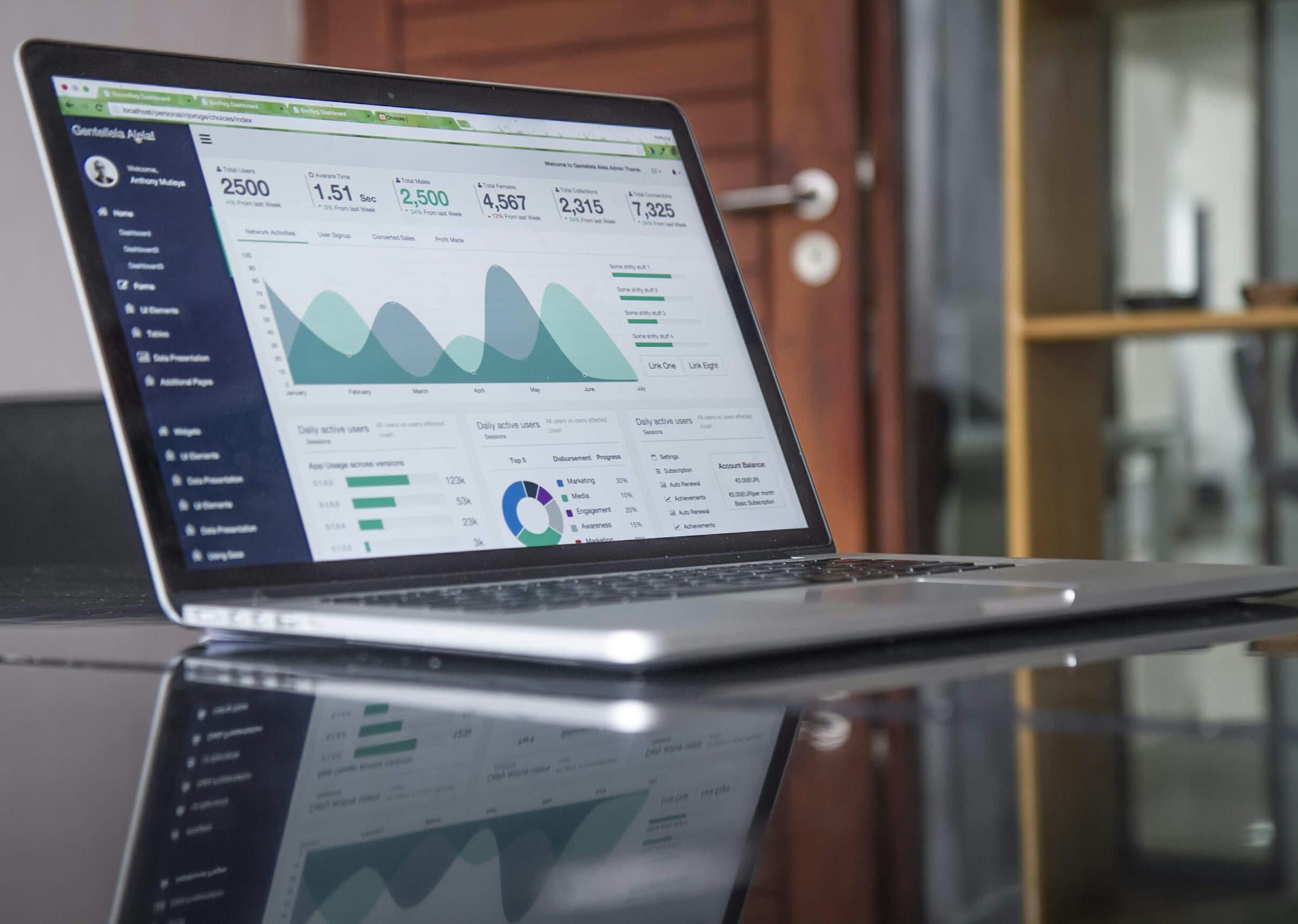
Citation Dashboard
- Table showing citation frequency, position, and sentiment for your top 20 queries
- Week-over-week trend arrows
- Competitive comparison for top 5 queries
Notable Changes
- Any queries where your citation status changed significantly
- New competitor appearances
- Sentiment shifts (positive or negative)
- New sources being cited by AI models
Content Performance
- Your top 5 most-cited content pieces this week
- Content gaps identified (queries where you should appear but don't)
- Content freshness alerts (high-performing content at risk of aging out)
Recommended Actions
- Specific content to create or update based on this week's data
- Competitive responses needed
- Technical issues to address
Automating Your Reporting
Manual weekly tracking across multiple AI platforms and dozens of queries is time-consuming. Here's how to build toward automation:
Level 1: Manual tracking. Start with a spreadsheet. Run your queries manually each week and record the results. This is labor-intensive but gives you deep familiarity with the AI search landscape.
Level 2: Semi-automated. Use AI visibility tools like Aurora Intelligence to automate query monitoring and citation tracking. Manual analysis of the results still adds value.
Level 3: Fully automated dashboards. Connect your AI visibility monitoring to automated dashboards that update weekly, flag anomalies, and generate reports. Reserve human analysis for interpreting trends and making strategic decisions.
Turning Reports Into Action
A report is only valuable if it drives decisions. Here's how to translate weekly AI visibility data into concrete actions:
If citation frequency dropped for a specific query: Investigate what changed. Did a competitor publish new content? Is your cited content outdated? Did the AI model update its source preferences? Then respond with targeted content updates or new content.
If a competitor gained visibility: Analyze what content they published or what third-party coverage they earned. Determine whether you need to create competing content or strengthen existing pages.
If sentiment shifted negative: Find the source. Is there a negative review, a Reddit thread, or a news article driving the change? Address the underlying issue and create content that provides an accurate, current perspective.
If a new query pattern emerges: Consumer behavior evolves. If you notice new query patterns in your monitoring, add them to your tracking universe and create content to address them.
The Compound Effect of Consistent Tracking
Weekly AI visibility reporting creates a data asset that grows more valuable over time. After a month, you can spot trends. After a quarter, you can identify seasonal patterns. After six months, you can correlate specific actions (content publication, media coverage, product launches) with AI visibility outcomes.
This feedback loop — track, analyze, act, measure — is the engine that drives sustained AI visibility growth. Teams that establish this discipline early will optimize faster, respond more quickly to competitive threats, and build a deeper understanding of what drives AI citations in their industry.
Start this week. Run your queries. Record the results. The data you collect today is the foundation for every optimization decision you'll make tomorrow.